
How FANSEN Supports OEM and ODM LED Lighting Projects From Inquiry to Delivery
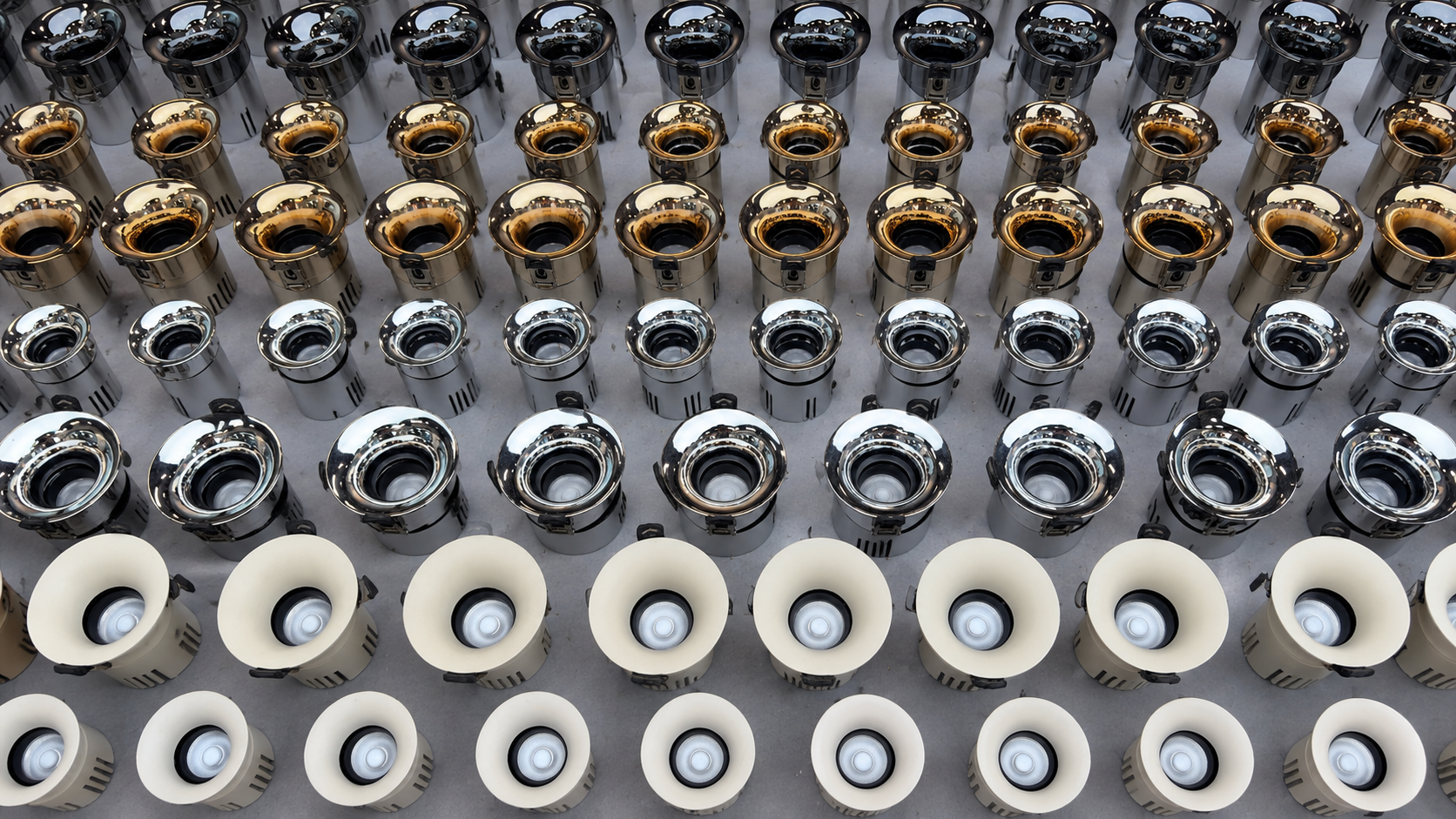
For LED lighting importers, distributors, contractors, and project buyers, choosing a factory is not only about comparing product prices. A successful lighting order also depends on technical communication, sample confirmation, stable production, packaging details and after-sales support.
FANSEN works with project customers who need practical lighting products for hotels, villas, retail stores, offices, restaurants and other commercial spaces. The goal is simple: help buyers choose suitable LED lighting products, confirm details clearly and reduce unnecessary risk before mass production.
Understanding the Project Requirement First
Before recommending a product, the first step is to understand where the fixture will be used. A villa living room, a hotel corridor, a retail display area and an office ceiling may all need LED downlights, but the optical requirements can be very different.
For this reason, project communication usually includes installation method, ceiling height, required beam angle, color temperature, CRI, wattage, dimming requirement, reflector color, housing color, waterproof rating and target budget. These details help narrow the product range and avoid choosing a fixture that looks correct on paper but does not fit the actual space.
Product Selection and Technical Confirmation
Many buyers start with wattage, but wattage alone is not enough. For project lighting, lumen output, beam angle, glare control, driver stability, and heat dissipation are equally important. When customers compare LED downlights, LED spotlights, or track lighting, technical confirmation should include both electrical data and visual effect.
For example, a black reflector may create better visual comfort, while a white reflector may provide higher light output. A narrow beam angle can work well for accent lighting, while a wider beam angle is usually better for general illumination. These choices should match the project purpose rather than follow one fixed rule.
Sample Confirmation Before Bulk Order
For OEM and ODM orders, sample confirmation is an important step. A sample allows the buyer to check appearance, structure, light output, color temperature, beam angle, driver performance, installation method and packaging details before placing a larger order.
If the project requires customized color, private label packaging, special beam angle or a specific driver solution, these details should be confirmed during the sample stage. Clear sample confirmation helps both sides avoid misunderstandings and keeps the following production process smoother.
OEM and ODM Customization Support
Different markets may have different preferences for product design, reflector color, CCT, packaging style and installation accessories. FANSEN can support OEM and ODM lighting projects by discussing product configuration, branding requirements, packaging information and project application needs.
For distributors, customized packaging and stable product appearance help build brand consistency. For contractors and project buyers, the focus may be more on installation efficiency, consistent lighting effect and reliable delivery schedule. A good factory partner should understand both types of needs.
Production Follow-Up and Quality Control
After order confirmation, production follow-up becomes important. The key points include material preparation, driver matching, assembly, testing, packaging and final shipment arrangement. For LED lighting products, consistent light color, stable driver performance and correct labeling are practical details that directly affect customer satisfaction.
Quality control should not only happen at the end of production. It should be part of the whole process, from component selection to finished product testing. This is especially important for project orders where many fixtures are installed in the same space and visual consistency matters.
Packaging, Shipment and After-Sales Communication
Good packaging helps protect lighting fixtures during transport and makes installation work easier when products arrive at the project site. For OEM orders, packaging may also include private label information, model number, color temperature, wattage and installation instructions.
After shipment, clear communication remains important. Buyers may need product data, installation guidance, replacement support or documentation for future repeat orders. A long-term lighting supplier should help customers solve practical problems instead of only completing one transaction.
Conclusion
OEM and ODM LED lighting projects require more than a product list. They need careful requirement analysis, suitable product selection, sample confirmation, stable production and clear after-sales communication.
For global buyers looking for commercial and architectural lighting products, FANSEN aims to provide practical support from inquiry to delivery. If you are planning a lighting project, you can explore our LED lighting products or contact us to discuss your project requirements.