
How to Build a Comfortable Lighting Plan for Hotels, Villas and Retail Spaces
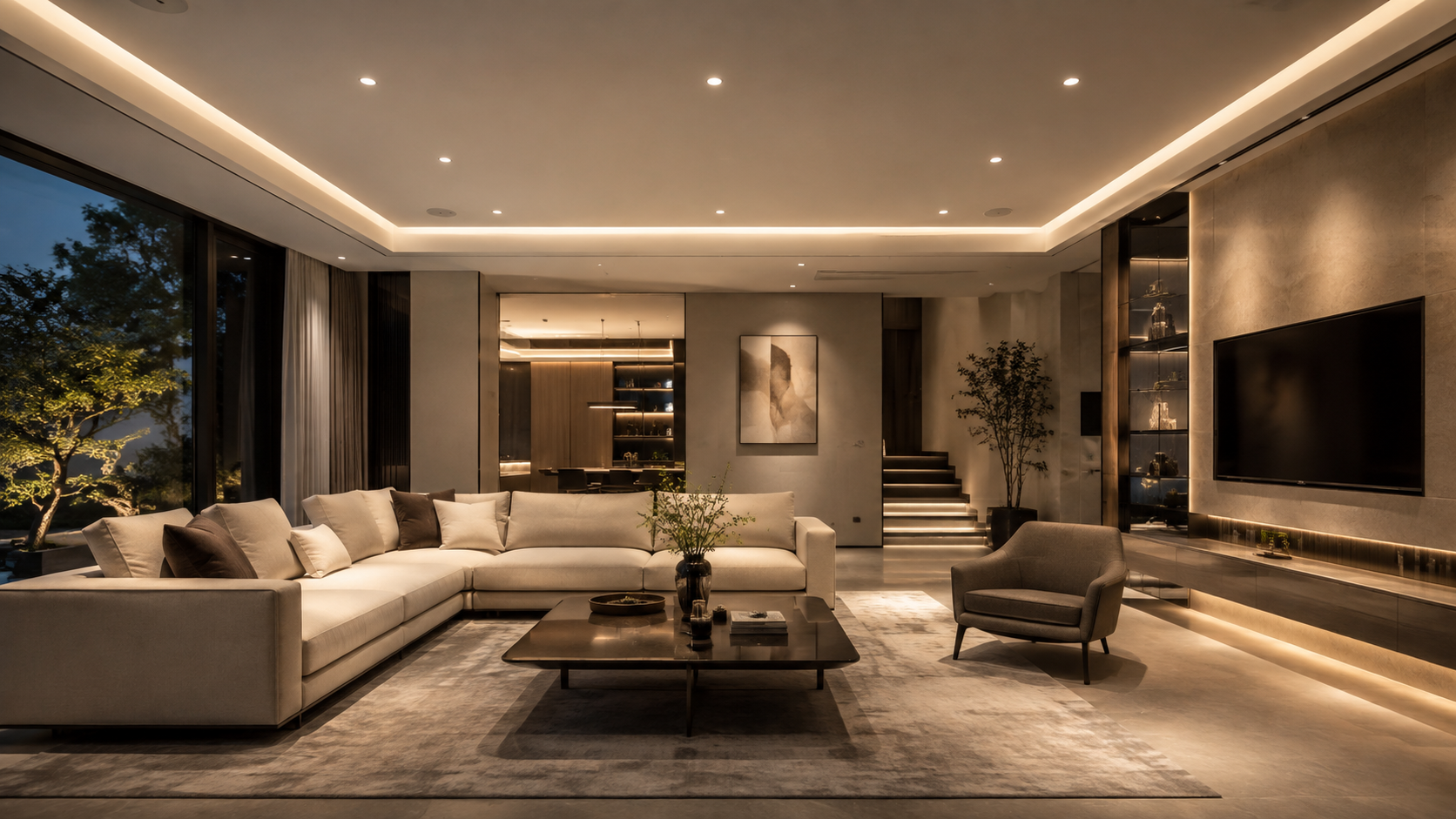
A good lighting plan is not only about brightness. It should help people see clearly, move safely, focus attention and feel comfortable in the space. This is especially important for hotels, villas, retail stores and commercial interiors where lighting directly affects the atmosphere and user experience.
For project buyers, distributors and contractors, understanding basic lighting design principles can make product selection much easier. Instead of choosing fixtures only by wattage or appearance, buyers can compare how each fixture supports the function of the space.
Start With the Purpose of the Space
Every lighting plan should start with one question: what should this space do? A hotel lobby needs a welcoming feeling. A villa living room needs comfort and flexibility. A retail store needs product visibility and visual focus. An office needs practical task lighting without eye fatigue.
When the purpose is clear, fixture selection becomes more logical. General lighting, accent lighting, wall washing and decorative lighting can each play a different role. A balanced lighting plan usually combines more than one lighting layer.
Use Layered Lighting
Layered lighting means using different types of light together. General lighting provides the basic brightness. Accent lighting highlights products, artwork, feature walls or architectural details. Decorative lighting adds atmosphere and visual identity.
For example, a villa living room may use recessed downlights for general lighting, track lights for artwork and strip lights for indirect ceiling light. A retail store may use track lighting to highlight product displays while using downlights for circulation areas.
Control Glare, Not Only Brightness
One common mistake is increasing brightness when a space feels uncomfortable. Sometimes the real problem is not that the space is too dark, but that the light source is too visible or the contrast is too strong.
Anti-glare fixture design, suitable beam angle, and correct installation position can improve visual comfort. In hotels, villas, restaurants and premium retail spaces, glare control is often more important than maximum lumen output. Buyers can learn more in our article about how anti-glare LED downlights improve lighting comfort.
Choose Beam Angle by Application
Beam angle affects how light is distributed. A narrow beam angle creates focused light and stronger contrast, which is useful for accent lighting. A wider beam angle spreads light over a larger area and is usually better for general illumination.
In retail spaces, narrow or medium beam track lights can help products stand out. In hotel corridors, a suitable downlight beam angle can create a more even walking path. In villas, different beam angles may be combined to create depth and atmosphere.
Match CCT With Interior Materials
Color temperature affects the mood of a space. Warm white light can make hotels, villas and restaurants feel more relaxed. Neutral white light can work well in offices, retail stores and commercial spaces that need clearer visibility. The best choice depends on the interior style, surface colors and customer expectations.
It is also important to keep color temperature consistent within the same visual area. Mixing too many CCT options in one space can make the lighting look unplanned and reduce the quality of the design.
Think About Surface Reflectance
Walls, floors, ceilings and furniture all affect how bright a space feels. Light-colored surfaces reflect more light and can make a room feel brighter. Dark surfaces absorb more light and may require stronger or more carefully positioned fixtures.
This is why the same fixture can look different in two projects. A downlight that works well in a white office may feel insufficient in a dark restaurant. Lighting plans should always consider the real materials of the space.
Select Products That Support the Design
After the lighting concept is clear, buyers can select products more accurately. Important factors include wattage, lumen output, beam angle, CCT, CRI, reflector color, installation method, dimming requirement and driver quality.
For project lighting, the fixture should support the design goal. A hotel may prioritize visual comfort. A retail store may prioritize product focus. An office may prioritize efficiency and uniformity. This is why one product cannot be the best answer for every project.
Conclusion
A comfortable lighting plan balances function, atmosphere and visual comfort. It starts from the purpose of the space, uses layered lighting, controls glare, selects suitable beam angles and matches color temperature with the interior design.
For hotels, villas, retail stores and commercial spaces, careful lighting design can improve the final experience and reduce product selection mistakes. Explore FANSEN LED lighting products to find practical options for your next lighting project.